

The Interface Between Robots and Elevators

Service robots are taking on more and more tasks in hospitals, hotels, offices, and laboratories. Whether it’s transporting food and supplies, providing room service, handling internal transport, or managing logistics, the range of applications is vast. However, as soon as they need to change floors, a technical hurdle often arises: there are no standardized interfaces between robots and elevator control systems.

The eleon RoboElevate Gateway fills exactly this gap. Acting as an interface between the elevator and the robot, it ensures seamless communication and autonomous service and logistics processes.
The Interface Between the Robot and the Elevator

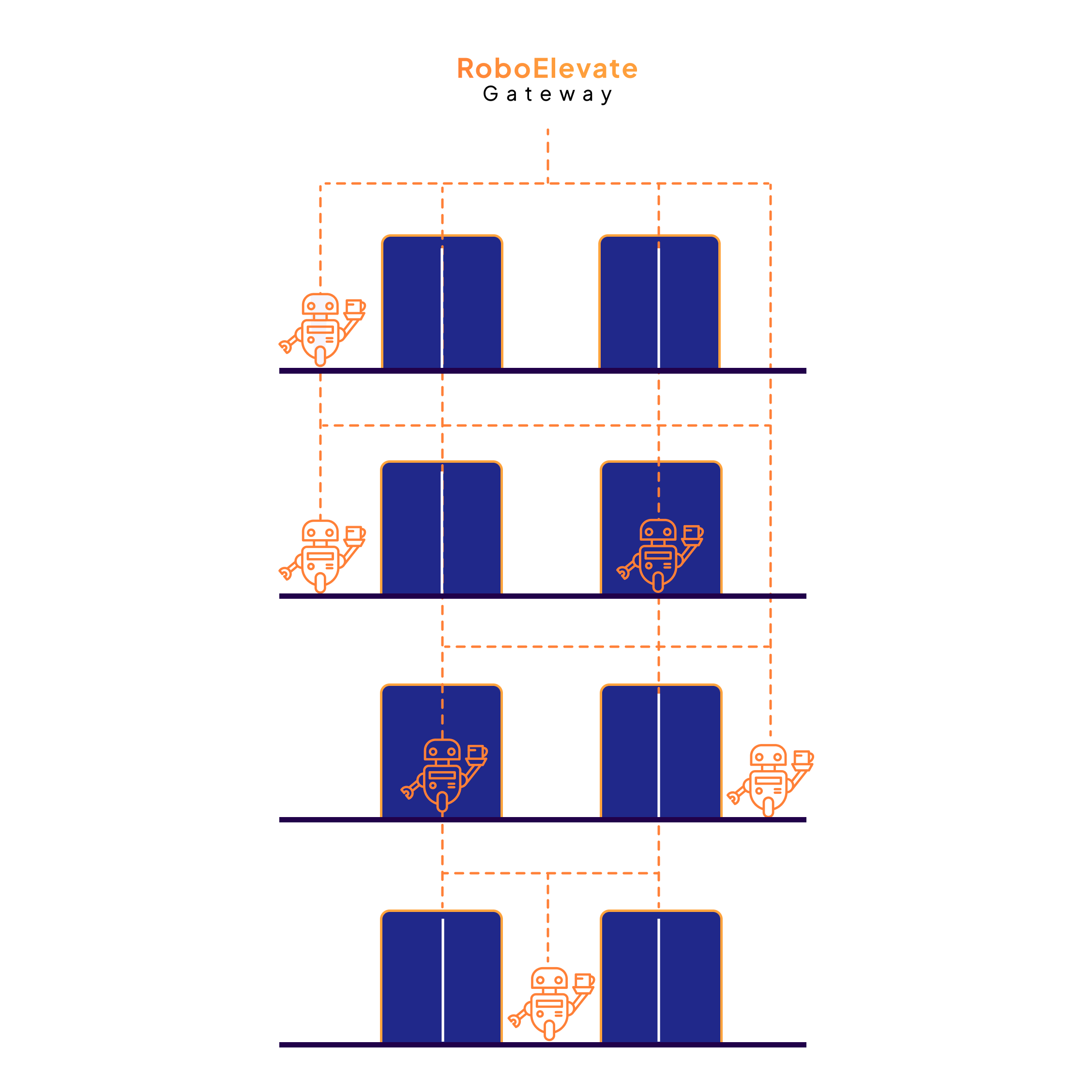
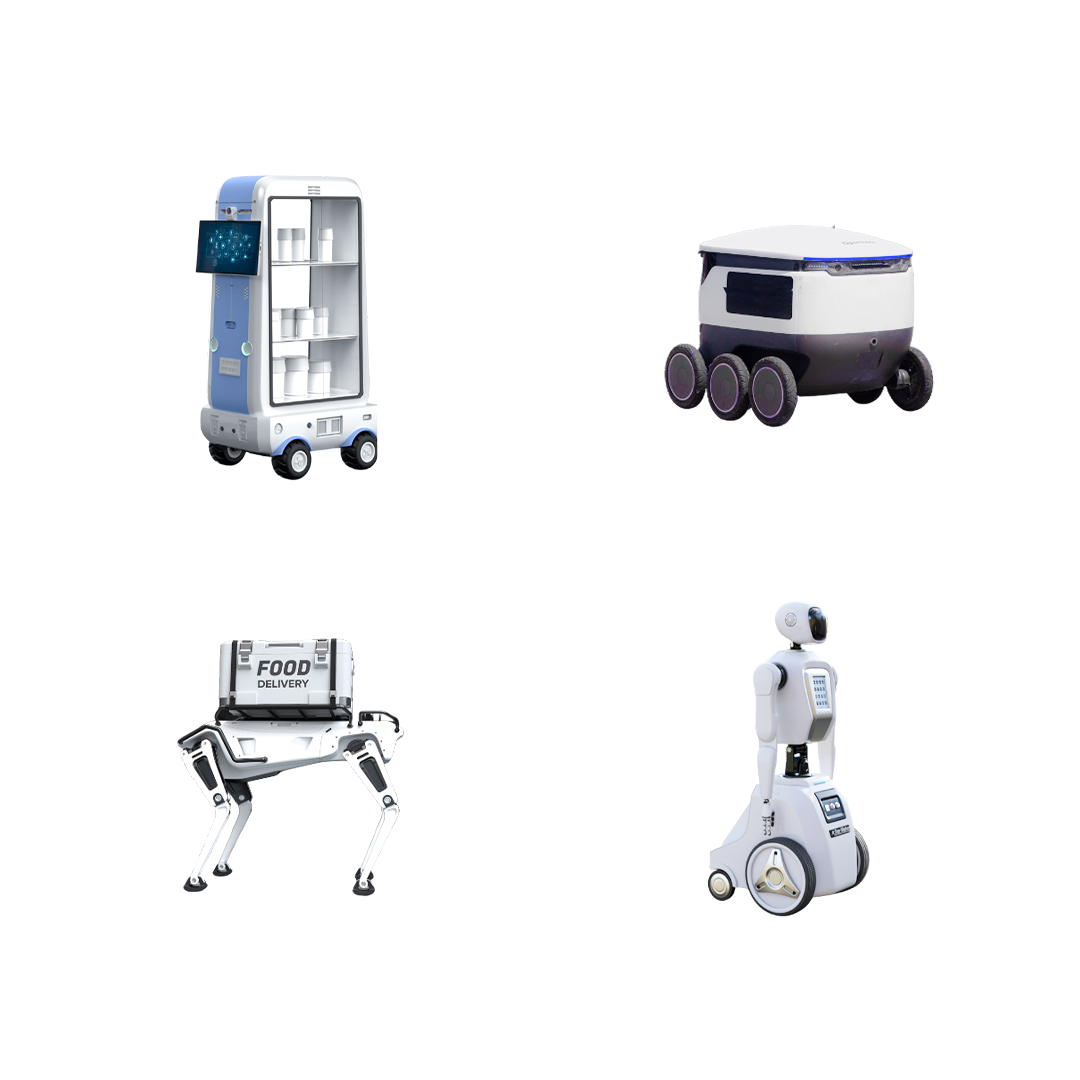
The eleon RoboElevate Gateway serves as the technical bridge between the robot system and the elevator control system. It can be used for individual robots and elevators as well as for more complex applications. These include, for example, multiple robots, different types of robots, or multiple elevators and groups of elevators.

Depending on the project requirements, additional control systems, interfaces, and coordination, reservation, or prioritization logic can be implemented.

Virtually any elevator control system and robot can be integrated

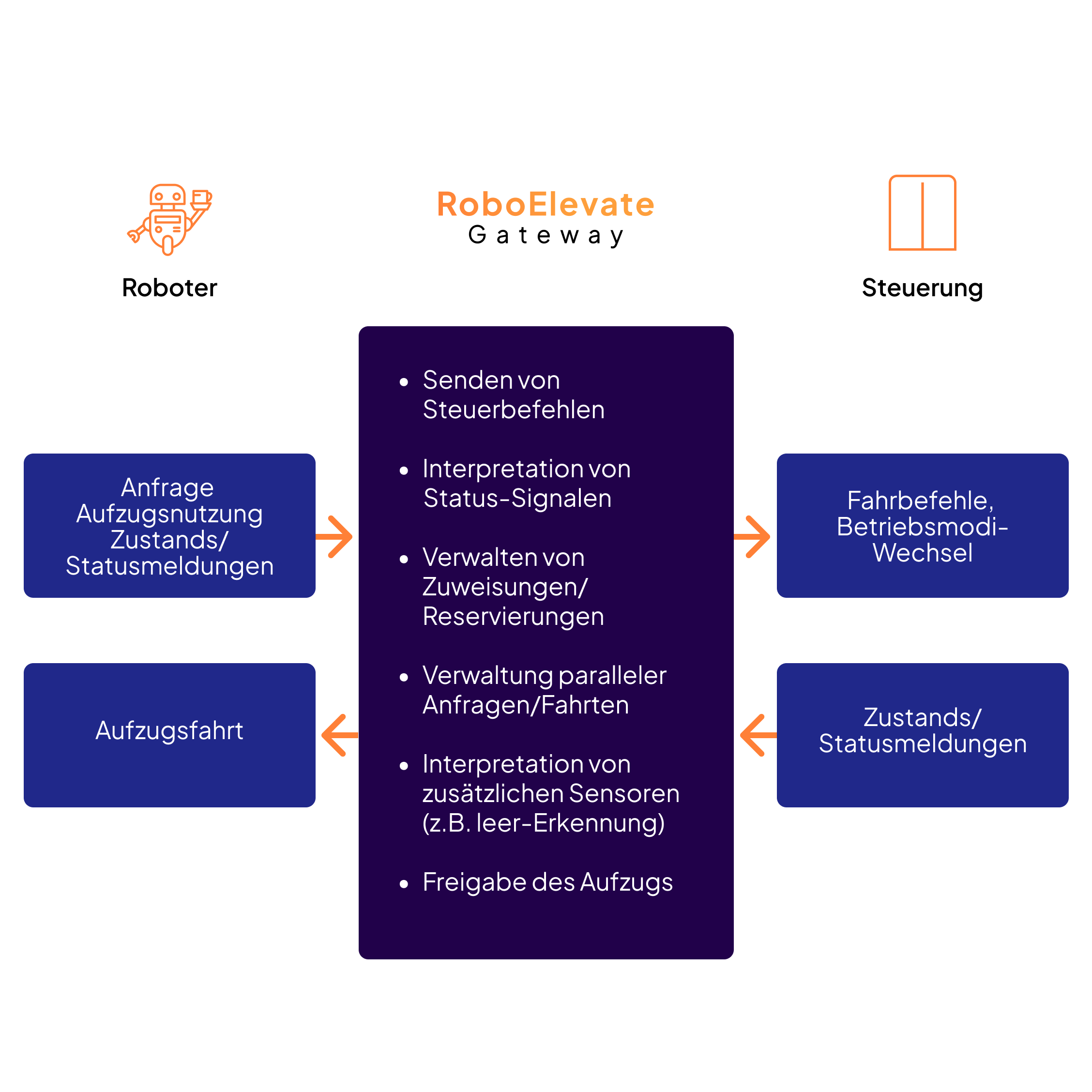
If the elevator control system already has a robot mode or a suitable special travel mode,the RoboElevate Gateway primarily handles the communication between the robot and the control system.

If such a function is not available, we can implement the necessary processes and logic ourselves. Depending on the system, the connection is established, for example, via CANopen Lift, I/O, relay contacts, or proprietary control protocols. This generally allows existing elevators to be integrated as well.

The RoboElevate Gateway is not limited to a few manufacturers or specific brands, whether on the elevator side or the robot side. In addition, it can be adapted to meet the specific requirements of particular robot systems and various elevator control systems.

This allows operators to remain as flexible as possible when selecting their systems and not be tied to a specific combination of robot and elevator manufacturers.

Here’s How an Autonomous Robot Drive Works

The robot transmits the starting and destination floors. The elevator is then called and prepared for the robot’s trip. As soon as the requirements are met, the robot receives authorization to enter.

The doors are then closed, and the robot is transported to its destination floor. Once the robot has exited, the elevator car is released for normal operation again.
The specific logic is adapted to the capabilities of the existing elevator control system, the robot system, and the building’s requirements.

Is the booth really available?

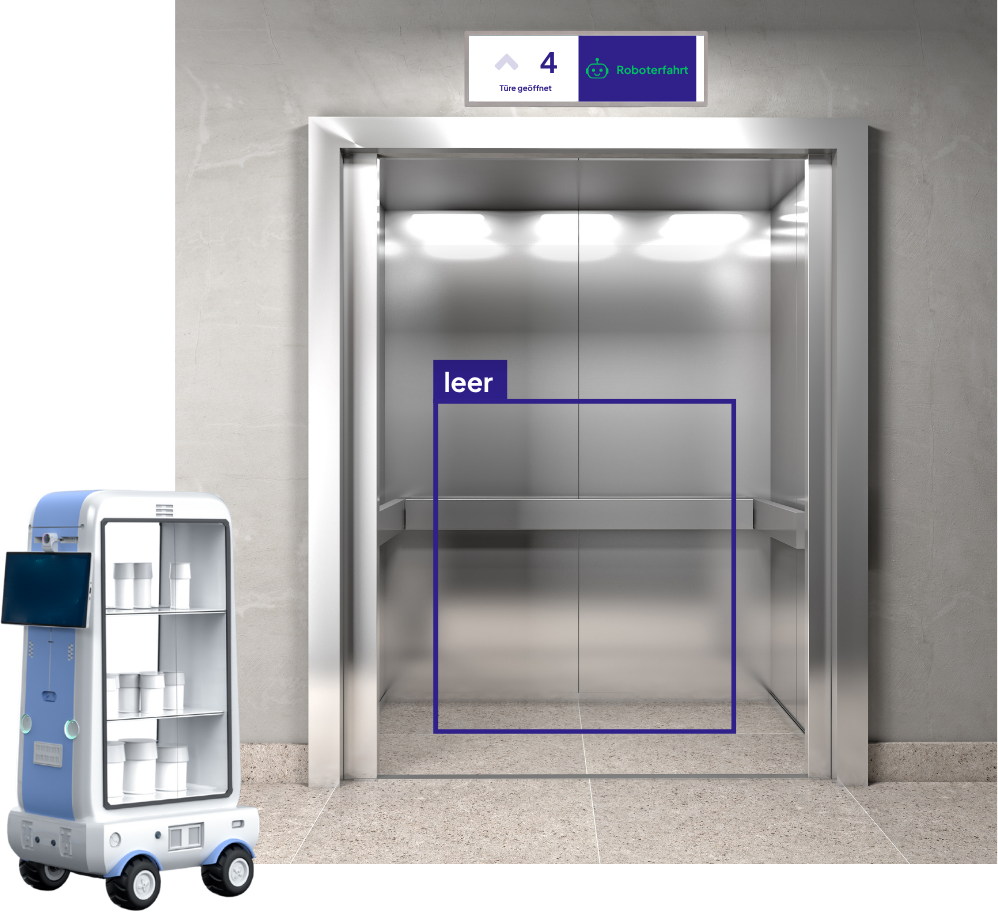
In some applications, robots and people are not supposed to or are not allowed to ride in the elevator together. However, the elevator control system cannot always reliably detect whether the car is actually empty.

The ELFINVISIONextension of the RoboElevate Gateway can visually detect whether people or other objects are present in the cabin. This information can be fed directly into the motion control logic to govern the robot’s entry authorization.

Contact Us

ELFIN Technology GmbH

+49 221 6778932-0
service@elfin.de

Dieses Kontaktformular ist momentan deaktiviert, da Sie den Google reCAPTCHA-Service noch nicht akzeptiert haben. Dieser ist für die Validierung des Sendevorgangs jedoch notwendig
Copyright © 2026 ELFIN Technology GmbH. All rights reserved.